
 04069063398
 Clinic Locator
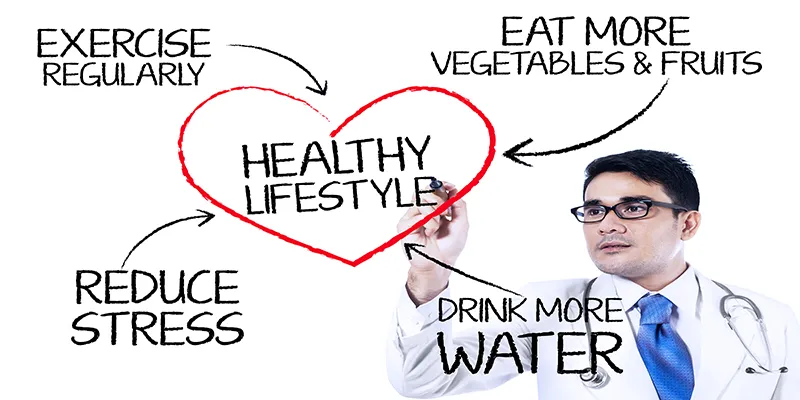
Seven Lifestyle Changes That Can Prevent Most Diseases
Heart disease, diabetes, cancer, stroke, and chronic kidney disease may sound like very different conditions, yet they share something powerful. Most of them trace back to just a handful of everyday habits. According to the CDC's Preventing Chronic Diseases guidelines, four main risk factors drive the bulk of chronic illness across the world: tobacco use, poor nutrition, physical inactivity, and heavy alcohol intake.
The everyday choices you make, what you eat, how you move, and how you rest, shape your future health far more than any one medicine ever can. Continue reading to see which seven changes matter the most and how to make them stick.
Why Do Everyday Habits Matter So Much for Your Health?
Your body does not break down overnight. It wears out slowly, year after year, through habits we often do not even notice. Most chronic diseases start silently, sometimes a decade before the first symptom shows up.
Long working hours, skipped meals, late nights, lack of movement, and constant stress slowly chip away at your immunity, heart health, and metabolism. This is why daily habits carry so much weight. Each small choice either adds to your risk or takes something off it. The sooner you start making these choices with a little more intention, the longer your body can stay in a healthy rhythm.
Seven Lifestyle Changes That Can Prevent Most Diseases
These seven shifts are the ones doctors recommend most often, backed by global research, and gentle enough to fit into even the busiest Indian routine. You do not need to do them all at once. Begin with one, make it stick, and move on to the next.
1. Eat a Balanced, Nutrient-Rich Diet
What you eat has a big effect on your health. In this case, a well-balanced diet can help you control your blood sugar, protect your heart, and lower inflammation over time. You don't need a strict plan to do that.
- Add whole foods in your meal, like fresh fruits and veggies and whole grains like millet and oats. You can also add nuts, seeds, eggs, cheese, and fish, which are all good sources of lean protein.
- Eat less processed foods, drinks with a lot of sugar, and salty foods.
- If you take medication for any condition, certain food combinations can improve how your body absorbs it, so consult with your primary care physician or dietitian to get a personalised meal plan.
2. Stay Physically Active Every Day
You do not need a gym membership or an hour on the treadmill to be healthy. The CDC recommends at least 150 minutes of moderate activity a week, along with muscle-strengthening work on two days. That is just about 30 minutes a day, five days a week.
- Brisk walking, cycling, swimming, dancing, gardening, or yoga all count.
- Even a 20-minute walk after dinner lowers blood sugar, improves digestion, and helps you sleep better.
- If you sit for long hours, stand up and walk around for two minutes every hour. Small movements add up faster than you think.
3. Manage Stress Gently, Not Aggressively
If you keep ignoring it long enough, stress can even raise your blood pressure, weaken your immunity, disturb your sleep, and affect your hormones. You do not need hour-long meditation sessions to feel lighter. You can do the following:
- Try a few minutes of slow breathing.
- Step out for a walk in the park.
- Put your thoughts on paper.
- Call someone who understands you.
When stress starts to feel heavier than you can carry alone, reaching out to a counsellor is not a weakness. It is one of the most caring things you can do for yourself.
4. Protect Your Sleep Like a Priority
When you sleep, your body repairs itself, your hormones find their balance, and your blood sugar starts to reset. Ignore your sleep cycle for too long, and the cost shows up as obesity, heart disease, diabetes, anxiety, or low mood. Seven hours, at the very least, is what most adults need to feel truly rested.
- Try to sleep and wake at roughly the same time every day, weekends included. Your body loves rhythm.
- Keep your phone out of reach about an hour before bed. Blue light quietly blocks melatonin, the hormone that nudges your body toward rest.
- A bedroom that is cool, dark, and quiet can do more for your sleep than any app or supplement.
5. Quit Smoking and Limit Alcohol
Smoking raises the risk of almost every major chronic disease, including heart disease, stroke, type 2 diabetes, Chronic Obstructive Pulmonary Disease (COPD), and at least a dozen cancers. Chewing tobacco and gutka carry similar risks for oral cancers and heart disease.
- The body begins to heal within weeks of quitting, and after a year, your heart attack risk drops by nearly half.
- Alcohol, too, should be kept gentle. If you drink, limit it to no more than one drink a day for women and two for men.
6. Go for Regular Health Checkups
Many chronic conditions, such as hypertension, diabetes mellitus, high cholesterol, fatty liver, and thyroid disorders, develop with no early symptoms.
- A yearly full body health checkup can help you understand your blood pressure, blood sugar, cholesterol, kidney and liver function, thyroid, and vitamin levels, giving you a complete picture in one visit.
- If you are over 40 or have a family history of any chronic illness, an annual check becomes even more important.
7. Build a Gentle Support System
Health is rarely a solo journey. The people around you shape what you eat, how you move, how you rest, and how you cope. A supportive circle of family, friends, doctors, and sometimes a counsellor makes it easier to stay consistent with healthy habits.
- Join a walking group in your neighbourhood, find a friend who shares your health goals, or simply talk honestly with your family about the changes you are trying to make.
- Accountability, encouragement, and emotional support are as much a part of prevention as diet or exercise.
Get the Personalised Lifestyle Advice at Apollo Clinic Today!
Chronic diseases rarely arrive without notice. They grow slowly through everyday choices, which also means they can be held back through everyday choices. You do not need to fix everything at once. Start with one small change and try to build a routine from there.
Book your next health checkup at Apollo Clinic today and let our physicians create a personalised prevention plan around your lifestyle!
FAQs
1. Can lifestyle changes really prevent most diseases?
Yes, research from the CDC and WHO shows that your lifestyle choices around food, movement, sleep, and stress can actually prevent or delay up to 80% of chronic diseases.
2. At what age should I start focusing on prevention?
The earlier, the better. You should start focusing on your health right from your 20s and 30s, but it is never too late to start. Even small changes after 40 bring meaningful health benefits.
3. How long does it take to see results from lifestyle changes?
Sleep and energy often improve within a few weeks. Blood pressure, blood sugar, and cholesterol usually show a visible change in about three months of consistency.
4. Do I need supplements to stay healthy?
Not always. A balanced diet covers most needs. Supplements help only in specific deficiencies, so speak with your doctor before starting any on your own.
5. Which lifestyle change has the biggest impact?
Quitting tobacco, if it applies, has the single biggest effect. For non-smokers, regular movement, quality sleep, and a balanced diet sit at the top.