
 04069063398
 Clinic Locator
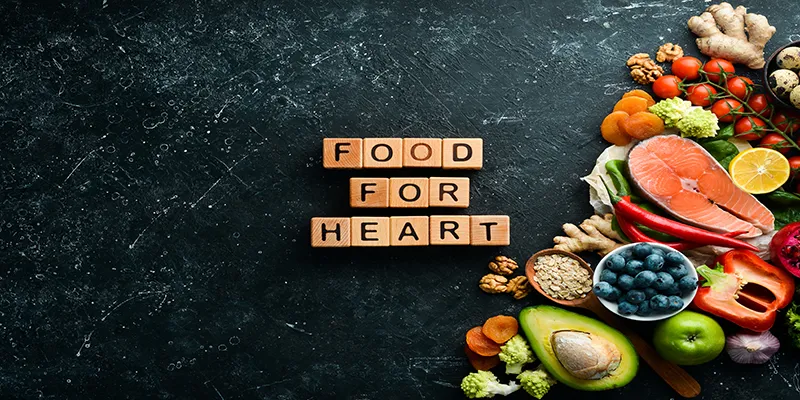
Best Foods for Heart Health
Every few months, a new superfood makes the rounds online: moringa today, chia seeds tomorrow, some expensive imported berry next week. Meanwhile, your doctor suggests more dal, fewer biscuits, and a handful of walnuts with your evening tea. India had 2,873,266 deaths from cardiovascular diseases (CVD) in 2021. So food is not a background factor here. It is a primary cause. Read on to understand exactly which foods protect your heart, which ones are causing damage, and how to build it all into a day of eating that actually works in an Indian household.
What Makes a Food Actually Good for Heart Health?
A food earns the label heart-healthy by doing at least one of the following. The best ones tend to do several of these things at once. Here is what the evidence consistently shows a heart-protective diet must deliver:
- Lower LDL cholesterol (low-density lipoprotein, the type that sticks to artery walls and causes blockages) without reducing HDL (high-density lipoprotein, the protective cholesterol).
- Reduce blood pressure by lowering sodium load and increasing potassium.
- Calm chronic inflammation, which silently damages blood vessels over years.
- Stabilise blood sugar, one of the strongest predictors of heart disease.
- Supply dietary fibre, which clears excess cholesterol from the digestive tract before it enters the bloodstream.
Which Everyday Indian Foods Are Best for Heart Health?
The good news for Indian households is that many of the most evidence-backed foods for heart health are already in your kitchen. Here is where to start:
Dal and Legumes
Dal, rajma, chana, moong, and masoor are among the most heart-protective foods available anywhere. They are high in soluble fibre, plant protein, folate (a B-vitamin that lowers homocysteine, an amino acid associated with artery damage when elevated), and magnesium. Two to three servings per week is the target. Most Indian households already hit this with daily dal, and then undercut the benefit with the refined white rice or maida roti eaten alongside it.
Oats and Whole Grains
Oats are among the most clinically studied cholesterol-lowering foods in existence. They contain beta-glucan (a type of soluble fibre that forms a gel inside the digestive tract and traps LDL cholesterol before it can be absorbed into the blood). Swap white rice or maida-based bread at one meal per day with oats, jowar, bajra, or whole wheat. Small, consistent swaps outperform any all-or-nothing approach.
Nuts and Seeds
For India's largely vegetarian population, walnuts, almonds, and flaxseeds are among the most accessible sources of omega-3 fatty acids (healthy fats that reduce inflammation, lower triglycerides, and improve blood vessel flexibility). Fatty fish provide the most active omega-3 forms, but flaxseeds and walnuts provide ALA (alpha-linolenic acid, a plant-sourced omega-3 the body converts for cardiovascular use). A daily handful of unsalted walnuts or almonds, or one teaspoon of ground flaxseeds added to curd or dal, is sufficient.
Leafy Greens
Spinach, methi, and palak are high in potassium, which directly counteracts the blood-pressure-raising effect of sodium in the diet. They also contain nitrates (compounds that relax blood vessel walls and improve circulation) and antioxidants that reduce oxidative stress. This kind of damage occurs when free radicals attack the arterial linings. Two servings per day, lightly sauteed in minimal oil, is the best target.
Garlic
Garlic is not just a flavour base. Allicin (the active compound released when garlic is crushed or chopped) has documented, consistent effects on both blood pressure and LDL cholesterol. The reductions are modest but real, and meaningful when sustained across months. Raw or lightly cooked garlic retains the most allicin. Heavy heat destroys it.
What Foods Silently Damage Your Heart?
The other side of heart health is equally important. These are the foods doing consistent cardiovascular damage in most Indian diets, regardless of how many good foods are also on the plate:
- Refined Carbohydrates: White rice, maida rotis, biscuits, and sliced bread raise blood sugar and triglycerides with every serving.
- Packaged Snacks And Namkeen: Extremely high in sodium, trans fats (artificially hardened fats that raise LDL and lower HDL simultaneously), and added sugars.
- Excess Ghee And Coconut Oil: Both are high in saturated fat, which raises LDL cholesterol when consumed in large amounts over time.
- Sugary Drinks: Chai with three spoons of sugar, cold drinks, and packaged juices raise blood sugar and drive abdominal weight gain, a specific, independent cardiac risk factor.
How Do You Build a Heart-Healthy Plate Every Day?
There is no single meal that transforms heart health. The pattern across weeks and months is what moves your cholesterol, blood pressure, and blood sugar numbers. Here is what a heart-protective day of eating looks like in practice, without any exotic ingredients or major spending:
- Start breakfast with oats or a whole grain option four to five times a week.
- Include dal or another legume in at least one full meal daily.
- Swap a packaged snack for a small handful of unsalted walnuts or almonds.
- Add one teaspoon of ground flaxseeds to curd or sabzi at least three times a week.
- Include a generous serving of spinach or methi at lunch or dinner every day.
- Cook with cold-pressed mustard oil or groundnut oil rather than vanaspati or refined palm oil.
A general physician near me or cardiologist near me can help you understand which changes matter most based on your current cholesterol, blood pressure, and blood sugar profile.
Make Your Next Meal Count for Your Heart
The foods your heart needs most are not hard to find or expensive to buy. They are already available in every Indian kitchen, fresh market, and grocery store. The gap is usually not access — it is knowing what to reach for and why. Food is one of the most direct ways your daily choices speak to your cardiovascular system. Get that conversation right, and the numbers follow. VisitApollo Clinic to book a preventive healthcare check-up and speak with a general physician near me about where your heart health stands today.
FAQs
1. Which single food is best for heart health every day?
Oats are among the most evidence-backed daily foods for heart health, with consistent research showing LDL cholesterol reduction through regular consumption. Dal and unsalted nuts are equally important.
2. Is ghee bad for heart health?
In large amounts, yes. Ghee is high in saturated fat, which raises LDL cholesterol. One teaspoon per day is generally considered acceptable for most healthy adults.
3. Can vegetarians get enough omega-3 for heart protection?
Yes. Walnuts, flaxseeds, chia seeds, and mustard oil all provide ALA, a plant-sourced omega-3 that supports heart health and suits vegetarian Indian diets well.
4. Are eggs safe to eat if you have heart disease risk?
For most healthy adults, yes. A 2025 study found eggs do not independently raise cardiovascular risk. Processed meats and refined sides eaten alongside them are the greater heart disease concern.
5. How much salt is safe for heart health per day?
The WHO recommends under 5 grams of salt per day, roughly one teaspoon. Most Indian diets exceed this, and excess sodium directly raises blood pressure and heart disease risk.