
 04069063398
 Clinic Locator
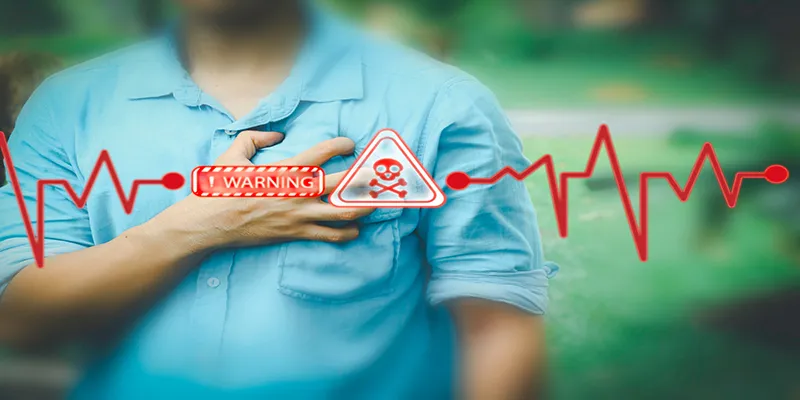
Early Warning Signs of Heart Disease
Most people assume that any problems with heat start with dramatic signs that are very evident to immediate action. They picture sudden crushing chest pain, an undeniable emergency, something impossible to miss. But it rarely works that way.
Most heart diseases start developing way before showing any visible signs. These early signals are quiet, recurring, and easy to explain away as stress, poor sleep, or just getting older. They are simply not loud enough to alarm. That is exactly what makes them worth knowing. Read on to understand what the heart tries to tell you before a crisis develops.
What Does Heart Disease Actually Mean?
Heart disease is not one condition. It covers several problems with your heart, and each comes up with different warning signs. This is why heart disease symptoms can seem so varied and why people miss them. The most prevalent kind of heart problems that people develop are as follows:
- Coronary Artery Disease (CAD): It occurs when fatty deposits narrow the arteries supplying the heart, which reduces blood flow.
- Heart Failure: Heart failure occurs when the heart muscle can no longer pump efficiently enough to meet the body's needs.
- Arrhythmias: When your heart beats abnormally, either too fast, too slow, or irregularly, it means you are dealing with any one type of arrhythmia.
- Heart Valve Disease: When the valves controlling blood flow through the heart stop opening or closing properly.
What Are the Early Warning Signs of Heart Disease?
The most common heart disease symptoms are usually mild. They might even come and go. So here are the most common signs and symptoms you should always keep an eye on:
Chest Pain or Tightness
This is the sign most people know. It is also the one most often misread. Chest pain from heart disease is usually not a sharp stab. It tends to feel like pressure, tightness, or heaviness, as if something is sitting on the chest. This is called angina. It appears during activity or stress and eases with rest. That pattern matters. If the same chest discomfort keeps returning, it is a signal that the heart is not getting enough blood, not a digestion problem.
Shortness of Breath
Breathlessness during activity that never used to cause it is worth taking seriously. So is waking up at night, unable to breathe comfortably. These are common heart failure symptoms, and they often appear well before a formal diagnosis.
People blame their fitness level or getting older. That is understandable. The concern is when the breathlessness keeps returning and nothing else explains it.
Pain Spreading to the Arm, Jaw, or Back
Pain that moves from the chest into the left arm, jaw, neck, or upper back is one of the more specific early warnings of a cardiac event. Many people who later have heart attacks report this kind of spreading discomfort in the days or weeks before, and put it down to muscle tension or a stiff neck.
The British Heart Foundation notes that pain running down the left arm, especially when it does not ease with rest, is the most clinically significant pattern to watch for.
Extreme Fatigue
Tiredness from a demanding week is not the same as the exhaustion that comes when the heart is struggling. When the heart cannot pump blood efficiently, the body experiences it as persistent, disproportionate fatigue that rest does not fix.
This is particularly common in women with heart disease, where it often gets written off as stress, anaemia, or a busy lifestyle. It deserves a proper look.
Swollen Ankles or Legs
Fluid collecting in the lower limbs is one of the classic heart failure symptoms. When the heart cannot pump effectively, blood and fluid back up into the legs. The swelling builds throughout the day and may ease overnight.
Swollen ankles have many causes. A single episode is not automatically a concern. Recurring or worsening swelling with no obvious cause is worth a conversation with your doctor.
Palpitations
Palpitations are when you suddenly become aware of your own heartbeat, racing, fluttering, or skipping. Most are harmless and are caused by caffeine, stress, or hormonal changes.
The ones worth investigating are frequent, unprovoked episodes, especially when paired with dizziness or breathlessness. These can indicate an arrhythmia (an irregular heart rhythm). Atrial fibrillation, one of the most common arrhythmias, raises stroke risk significantly if left undetected.
Do Women Experience Heart Disease Differently?
They do, and this gap in awareness has cost lives. The textbook chest pain presentation is far more common in men.
Women with heart disease are more likely to experience fatigue, nausea, jaw or back pain, and breathlessness without dramatic chest discomfort. These symptoms are routinely attributed to anxiety or indigestion, which delays diagnosis by weeks or months. In India, where diabetes and hypertension are widespread, women face a compounding risk that makes these subtler signs even more important to recognise.
Which Heart Symptoms Require Emergency Care?
Some signals cannot wait. Call an ambulance immediately if you or someone nearby experiences:
- Sudden, severe chest pain or pressure that does not ease with rest.
- Chest pain spreading rapidly to the arm, jaw, or neck.
- Sudden loss of consciousness or collapse.
- Extreme breathlessness that comes on suddenly at rest.
- A cold sweat with no obvious cause, alongside chest discomfort.
Every minute of delayed care when the heart is under attack causes further damage.
Who Is at Higher Risk of Developing Heart Problems?
Heart disease can develop silently for years before symptoms appear. Your risk is higher if you have any of the following:
- High blood pressure, high cholesterol, or diabetes.
- Smoke or have smoked in the past.
- Have a close relative diagnosed with heart disease before age 55.
- Are over 40, particularly if male.
- Live a sedentary lifestyle or carry excess weight.
Risk factors do not guarantee a diagnosis. They do mean regular checks are worth prioritising, and your doctor should know about them.
Listen to Your Heart and Get Expert Care at Apollo Clinic!
The early signs of heart disease are rarely dramatic. They are quiet, recurring, and easy to explain away. That is what makes catching them early so valuable, and so difficult.
If any of these signs feel familiar, especially if they are persistent or worsening, do not wait. A good cardiologist near me at Apollo Clinic can assess your risk, run the right tests, and give you a clear picture of where things stand. Visit Apollo Clinic to book a consultation today.
FAQs
1. What are the early warning signs of heart disease?
The most common heart disease symptoms that you can experience in the very start of the problems include recurring chest tightness, unexplained fatigue, breathlessness during activity, swollen ankles, palpitations, and pain spreading to the arm or jaw.
2. Are heart disease symptoms different in women?
Yes, heart disease symptoms are different in women. They most commonly experience fatigue, nausea, and jaw or back pain instead of that classic chest pain. The problem is that most women consider it just stress or indigestion, which delays diagnosis.
3. When should I see a heart doctor?
You must search for a heart doctor near me and schedule an appointment if you have recurring chest discomfort, unexplained breathlessness, persistent fatigue, palpitations, or swollen ankles.
4. Can heart disease develop without any symptoms?
Yes. Coronary artery disease often progresses silently for years. Regular health checks after age 40, especially if you have risk factors, are the most reliable way to catch it early.