
 04069063398
 Clinic Locator
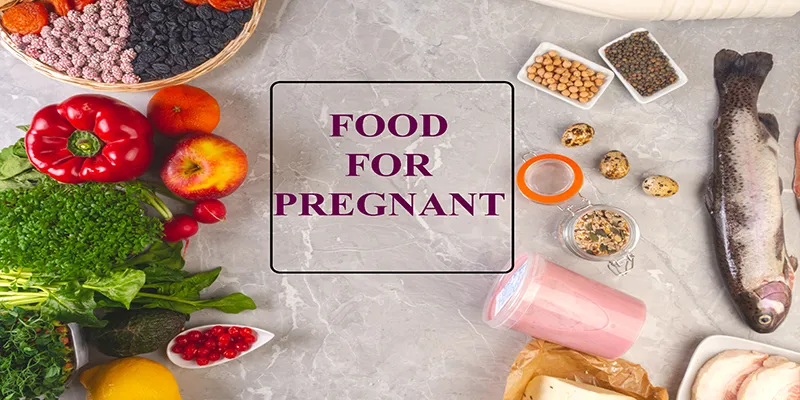
Foods to Eat During Pregnancy
Every meal, every snack, every glass of water that you consume during pregnancy goes toward building your baby's brain, bones, organs, and immune system. It is one of the most direct and meaningful things a mother can do in those nine months.
The good news is that eating well during pregnancy does not require a complicated plan or unfamiliar foods. It requires variety, a few additional nutrients, and some awareness of what to avoid. Continue reading for a clear, practical guide to pregnancy nutrition, with Indian food options included throughout.
Do You Really Need to Eat for Two During Pregnancy?
This is one of the most common pieces of advice passed down through families, and it is worth setting straight early. Your calorie needs in pregnancy rise only slightly.
You do not need to double your intake. The NHS recommends approximately 200 to 300 extra calories per day in the third trimester, roughly the equivalent of a banana and a bowl of curd. In the first and second trimesters, your calorie needs barely change at all. What changes significantly is not the amount of food but the quality. So you should focus on variety and nutritional density, not portion size.
Which Nutrients Are More Important During Pregnancy?
Your baby depends entirely on you for nutrients, which is why getting the right ones consistently is so important. Here is a clear overview of what to prioritise and where to find them:
|
Nutrient |
Importance |
Good Indian Sources |
|
Folic acid |
Prevents neural tube defects (problems with the early development of the brain and spinal cord) |
Spinach, methi, lentils, fortified cereals |
|
Iron |
Supports increased blood volume and your baby's brain development |
Rajma, chana, palak, til, lean meat |
|
Calcium |
Builds your baby's bones and teeth |
Milk, curd, paneer, ragi, sesame seeds |
|
Protein |
Supports growth of foetal tissue and the placenta |
Dal, eggs, chicken, fish, tofu |
|
DHA (Omega 3) |
Essential for your baby's brain and eye development |
Oily fish, walnuts, flaxseeds |
|
Vitamin D |
Helps the body absorb calcium effectively |
Sunlight, fortified dairy, eggs |
|
Iodine |
Supports thyroid function and brain development |
Dairy, eggs, iodised salt |
Talk to your doctor about supplements. Folic acid (400 to 800 micrograms daily) is recommended for all pregnant women. Iron and calcium supplements are commonly prescribed alongside a diet in India, given the high rates of anaemia among pregnant women in the country.
What Are the Best Foods to Eat During Pregnancy?
Good pregnancy nutrition does not mean overhauling your diet from scratch. Many of the most nourishing options are already part of everyday Indian meals. Here is what to include more of at each stage:
Fruits and Vegetables
Aim for at least five portions across the day in a range of colours. Each colour group provides different vitamins and antioxidants, and variety is more valuable than any single superfood.
- Dark greens like palak (spinach), methi (fenugreek leaves), and drumstick leaves are rich in iron, folate, and calcium.
- Orange and yellow foods like carrot, sweet potato, and ripe mango are rich in beta carotene, which the body converts to vitamin A.
- Citrus fruits like amla (Indian gooseberry), orange, and mosambi are high in vitamin C, which helps your body absorb iron from plant-based foods.
Protein-Rich Foods
Protein supports the growth of your baby's tissues at every stage. Good sources in an Indian context include:
- Dals, rajma, and chana: excellent plant based protein with iron.
- Eggs: one of the most complete sources of protein available, also rich in choline (a nutrient that supports your baby's brain development).
- Fish: aim for two portions per week, at least one of which is oily fish like salmon or sardines.
- Chicken and lean meat: cook thoroughly until no pink remains at the centre.
- Paneer and tofu: practical options for vegetarians at any meal.
Dairy and Calcium-Rich Foods
Calcium is important throughout pregnancy but becomes especially critical in the second and third trimesters when your baby's skeleton is developing rapidly.
- Dahi (curd), milk, and paneer are the most accessible calcium sources in a typical Indian diet.
- Ragi (finger millet) is one of the richest plant based calcium sources available and works well in rotis, dosas, and porridge.
- Til (sesame seeds) added to chutneys or sprinkled onto meals offer a meaningful calcium boost with very little effort.
Wholegrains and Starchy Foods
Wholegrains provide steady energy, fibre, and B vitamins. They also help manage the constipation that many women experience in pregnancy. Fibre-rich foods can also help reduce back pain during pregnancy by supporting healthy posture and reducing inflammation.
- Brown rice, wholegrain atta, oats, jowar, and bajra are all far better choices than their refined alternatives.
- These foods should make up roughly a third of what you eat each day, according to NHS dietary guidelines.
What Foods Should You Avoid During Pregnancy?
Some foods carry a genuine risk in pregnancy from bacteria, high mercury levels, or compounds that can harm the developing baby. These are not foods to cut back on. They are foods to stop entirely for the duration of the pregnancy.
Avoid Completely
- Raw or undercooked meat and poultry.
- High mercury fish such as swordfish, shark, and marlin.
- Unpasteurised dairy products and soft cheeses made from unpasteurised milk.
- Raw or partially cooked eggs from uncertified sources.
- Alcohol in any form at any stage.
- Liver and liver products, which contain very high levels of vitamin A that can harm the developing baby.
Limit Carefully
- Caffeine to under 200 mg per day (approximately one cup of coffee).
- Oily fish to no more than two portions per week due to naturally occurring pollutants.
- Excess salt, which can contribute to pregnancy induced hypertension (high blood pressure during pregnancy that, if unmanaged, can affect both mother and baby).
How Do You Prepare and Handle Food Safely?
Food safety during pregnancy deserves the same attention as the food choices themselves. Some bacteria pose real risks to a developing baby even when they cause only mild illness in an adult. Here is what to be careful about:
- Wash all fruits, vegetables, and salads thoroughly to remove soil and surface contamination.
- Store raw meat separately from ready to eat foods in the refrigerator.
- Use a separate chopping board for raw meat and clean it thoroughly after every use.
- Cook all poultry, meat, eggs, and fish until steaming hot all the way through.
- Check use by dates carefully. Do not eat food that has gone past its date, even if it looks fine.
Choose Apollo Clinic To Get a Personalised Meal Plan!
Every good meal you eat right now is also your baby's meal. You do not have to be perfect, and you do not have to change everything at once. Small, consistent improvements to what you eat every day add up to a real difference across nine months.
If you have specific concerns about your diet during pregnancy, or if you are unsure whether your nutritional needs are being met, a general doctor near me at Apollo Clinic can provide personalised guidance. VisitApollo Clinic or book a consultation today.
FAQs
1. What are the most important nutrients during pregnancy?
Folic acid, iron, calcium, protein, and DHA are the most critical. Folic acid prevents neural tube defects, iron supports blood volume and brain development, and calcium builds your baby's bones.
2. Do I need to eat more during pregnancy?
Only slightly. Around 200 to 300 extra calories per day are needed in the third trimester. The focus should be on food quality and nutritional variety, not eating larger quantities.
3. Is fish safe to eat during pregnancy?
Yes, in moderation. Two portions per week are recommended, including one of oily fish. Avoid high mercury fish like swordfish, shark, and marlin entirely throughout pregnancy.
4. What Indian foods are good during pregnancy?
Dal, ragi, paneer, curd, palak, rajma, sesame seeds, eggs, and oily fish are all excellent choices. They provide the iron, calcium, protein, and folate a healthy pregnancy needs.