
 04069063398
 Clinic Locator
Hypertension: The Silent Killer Explained
Hypertension (high blood pressure) is one of those conditions that rarely shows any visible signs before occurring. It slowly starts affecting the heart, brain, and kidneys, yet most people never feel it happening. In fact, about one in five people with high blood pressure have no idea they even have it. That is why doctors call it the silent killer. By the time symptoms finally show up, the damage is often already done. The reassuring part is that hypertension is easy to detect with a simple blood pressure check and very manageable once you know your numbers.
What Is Hypertension?
Your heart pumps blood through a network of arteries. The force this blood exerts on your artery walls is called blood pressure. When this force stays too high for way too long, the condition is called hypertension, or high blood pressure. With time, this extra pressure affects your arteries and puts extra pressure on your heart to work harder.
A blood pressure reading has two numbers.
- Systolic pressure (the top number) is the force in your arteries when your heart beats.
- Diastolic pressure (the bottom number) is the force when your heart rests between beats.
Even a slight rise in one of them can point to hypertension.
| Category | Top Number (mmHg) | Bottom Number (mmHg) |
|---|---|---|
| Normal | Below 120 | Below 80 |
| Elevated | 120 to 129 | Below 80 |
| Stage 1 Hypertension | 130 to 139 | 80 to 89 |
| Stage 2 Hypertension | 140 or higher | 90 or higher |
| Hypertensive Emergency | 180 or higher (with symptoms) | 120 or higher (with symptoms) |
A reading of 180/120 mmHg or higher, along with chest pain, severe headache, breathlessness, or blurred vision, is a medical emergency and needs urgent care.
Why Is Hypertension Called the Silent Killer?
Most people with high blood pressure feel perfectly well. Their sleep, appetite, and energy seem normal, so they never suspect a problem. Meanwhile, the extra pressure inside the arteries silently harms the blood vessels, day after day. Only a blood pressure check can catch it early enough to act.
Symptoms do appear in some cases, but usually only when the reading is dangerously high. The most common hypertension symptoms are severe headaches, chest pain, dizziness, blurred vision, heart palpitations, and shortness of breath³. These are warning signs and need medical attention right away.
What Are the Risks of Untreated Hypertension?
Left untreated, hypertension can lead to some of the most serious health problems we know of.
- Heart attack and heart failure, from long-term strain on the heart muscle.
- Stroke, from damage to the blood vessels supplying the brain.
- Kidney disease, since the kidneys rely on healthy blood vessels to filter waste.
- Vision loss, from damage to the tiny vessels in the eye.
- Dementia and memory loss, from reduced blood flow to the brain.
- Erectile dysfunction, from narrowed blood vessels.
- Peripheral artery disease, which causes blockages in the legs.
Catching hypertension early is the single most effective way to protect yourself from all of this.
What Causes High Blood Pressure?
In the majority of individuals, high blood pressure cannot result from just one specific reason. It may arise as a combination of behavioral practices and a genetic tendency for developing the condition. However, there are several contributing factors that predispose a person to developing high blood pressure. These include:
- Advanced age (>55)
- Family history of high blood pressure
- Excess weight and obesity
- High sodium intake and junk food consumption
- Lack of physical exercise
- Smoking
- Excessive alcohol consumption
- Chronic stress and insomnia
Sometimes, high blood pressure is associated with conditions like kidney disorders, thyroid dysfunction, obstructive sleep apnea, and adverse drug reactions. This type of high blood pressure is termed secondary high blood pressure, and it resolves itself when the underlying condition is treated.
How Is Hypertension Diagnosed and Treated?
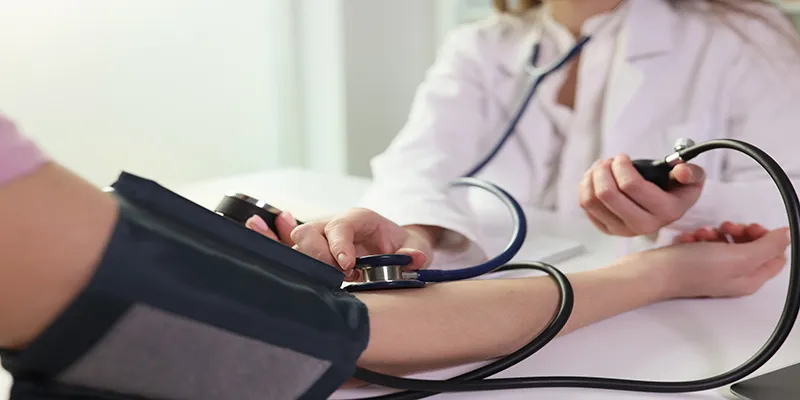
Diagnosing hypertension is simple. Your doctor will measure your blood pressure with a cuff on your arm. Since readings can change with stress, activity, or even the time of day, they will usually take more than one reading across two visits before confirming the diagnosis.
Treatment depends on your stage of hypertension, age, and other health conditions. Most people benefit from a mix of lifestyle changes and medicine.
Lifestyle Changes
- Watch your salt intake. Try to stay below 1,500 mg of sodium a day, which is roughly half a teaspoon. Limit pickles, papads, processed snacks, and salted namkeen.
- Eat more whole, fresh foods. Fill your plate with fruits, vegetables, whole grains like oats and millet, pulses, and low-fat dairy. The DASH diet is a gentle, doctor-backed eating pattern worth exploring.
- Move regularly. Aim for 150 minutes of moderate activity a week. A brisk 30-minute walk on five days, or some yoga and light strength work, fits the bill.
- Keep your weight within a healthy range. Even losing 4 to 5 kilos can lower your blood pressure noticeably.
- Quit tobacco in any form. Cigarettes, gutka, and bidis all raise blood pressure and harm your blood vessels.
- Limit alcohol. Stick to no more than one drink a day for women and two for men.
- Sleep seven to eight hours. Poor sleep raises blood pressure quietly over time.
- Soften daily stress. A few minutes of deep breathing, a hobby you enjoy, or short breaks during work can do more than you might expect.
Medicines Your Doctor May Prescribe
If lifestyle changes alone are not enough, your doctor will add medicines to bring your blood pressure into a safe range. The most commonly prescribed groups include:
- Diuretics, which help your body get rid of extra salt and water
- Beta-blockers, which slow down your heart rate
- Calcium channel blockers, which relax your blood vessels
- ACE inhibitors and ARBs, which keep your arteries from tightening
A gentle reminder: please do not stop your medicine on your own, even on days when you feel completely fine.
Keep Your Blood Pressure Levels in Check With Timely Monitoring!
Every adult should have their blood pressure checked at least once a year. If you are over 40, overweight, diabetic, or have a family history of heart disease, more frequent checks are a wise step. A yearly health checkup at Apollo Clinic makes this simple. Ourfull body health checkup packages include blood pressure monitoring along with heart, kidney, and cholesterol tests, giving you a clear picture of your health in one visit. A quick visit now can save you a lifetime of worry later.
FAQs
1. Can young adults get hypertension too?
Yes, and it is becoming far more common than people think. Long work hours, processed food, poor sleep, and constant stress are pushing hypertension into people in their 20s and 30s.
2. Can blood pressure readings change during the day?
Yes, your blood pressure rises and falls naturally as you go about your day. It can shift with meals, stress, exercise, and even how well you slept the night before. That is why one high reading is rarely enough to confirm hypertension.
3. What is white coat hypertension?
Some people get nervous the moment they walk into a clinic, and their blood pressure rises just for that visit. Doctors call this white coat hypertension. Checking your reading at home in a relaxed setting often gives a more honest picture.
4. Is hypertension hereditary?
It can run in families. If your parents or siblings have high blood pressure, your own risk goes up. The reassuring part is that lifestyle still plays a huge role, and small daily habits can help you stay ahead of it.