
 04069063398
 Clinic Locator
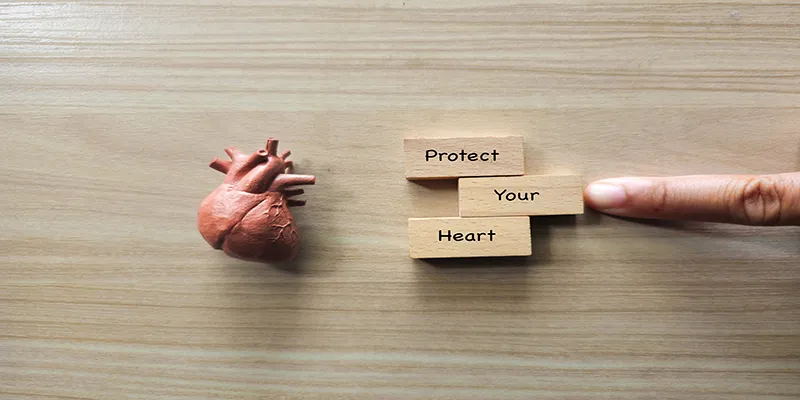
Lifestyle Habits That Protect Your Heart
You eat home-cooked meals most days. You are not overweight. You do not smoke. And yet, at 42, your doctor mentions your blood pressure is going up, and your cholesterol numbers are not where they should be. Sound familiar, right?
Heart disease in India is no longer a condition that announces itself late in life. Cardiologists are routinely seeing patients in their 30s and 40s, people who thought they were doing fine. The habits that protect the heart are quieter than a gym routine or a crash diet. They are small, consistent, and genuinely manageable. Read on to understand exactly what they are and why they work.
What Does Sleep Actually Do for Your Heart?
Every night, blood pressure drops, blood vessels recover, and the body clears inflammatory signals that accumulate during the day. If you do not get proper sleep, that repair process never completes. For most people in urban India, who are managing late-night screens, early commutes, and erratic work schedules, sleep is usually the first thing that gets cut when life gets busy. Here is what actually helps:
- Aim for seven to nine hours every night, not just on weekends.
- Fix a consistent wake time. This anchors your sleep cycle better than early bedtimes alone.
- Cut caffeine after 2 pm.
- Put the phone away at least 30 minutes before bed.
What Should You Eat to Protect Your Heart?
A single planet of biryani does not cause heart disease. But eating refined carbohydrates, high-sodium food, and meals heavy in saturated fat as the daily norm, that is where the risk builds. Diet affects your blood pressure, LDL cholesterol (low-density lipoprotein, the type that sticks to artery walls), and the level of chronic inflammation in your body. Here’s what you should prioritise:
Eat for Your Arteries
The DASH diet (Dietary Approaches to Stop Hypertension, an eating plan developed to reduce blood pressure through whole food choices) offers a practical starting framework:
- Base most meals around dal, legumes, whole grains, and seasonal vegetables.
- Eat fish twice a week if you eat non-vegetarian food. Include at least two meatless meals otherwise.
- Read nutrition labels. Limit sodium to under 2,300 mg per day.
- Replace packaged snacks with fruits, unsalted nuts, or raw vegetables.
Small shifts, applied consistently, change your numbers over months.
How Does Moving More Reduce Your Risk of Heart Failure?
The heart is a muscle. Exercise makes your heart work more efficiently, reduces resting blood pressure, and improves the elasticity of arteries. A 2025 study published in the European Journal of Preventive Cardiology found that 30 minutes of brisk walking per day was associated with a 30% reduced risk of heart attack, heart failure, and stroke in people with high blood pressure. This is how you can help yourself:
- Exercise for at least 150 minutes per week. Brisk walking, cycling, and swimming are included.
- Interrupt extended sitting time. Walking for just five minutes each hour works wonders.
- Include two strength training sessions in your routine weekly. Using resistance bands, body weight, or yoga counts.
- You don’t have to become a gym member. You simply have to exercise more than you do right now.
What Preventive Steps to Take For Protecting Your Heart?
Heart disease does not usually have a single cause. It builds through a combination of factors, such as tobacco, blood pressure, blood sugar, and stress. Managing only two out of four leaves the door open. Here is what deserves your attention:
Quit All Forms of Tobacco
Any tobacco use, such as cigarettes, bidis, hookah, or even passive smoking, damages the endothelium (the thin inner lining of blood vessels). They also accelerate the buildup of plaques (fatty deposits that narrow arteries over the years). There is no safe amount. So you should always first search for a general physician near me and get the right advise from them for cessation support.
Know Your Blood Pressure
Blood pressure consistently above 130/80 mm Hg (millimetres of mercury, the standard unit for measuring blood pressure) is where arterial damage begins. The problem is that high blood pressure rarely causes symptoms until it causes a crisis. Get it checked at every doctor visit. If you have been advised to monitor at home, do it consistently and keep a log.
Check Your Blood Sugar
High blood sugar damages blood vessel walls long before a diabetes diagnosis is made. If you carry weight around your abdomen or have a family history of diabetes, search for a cardiologist near me or visit your primary care physician to check your fasting blood glucose and HbA1c (glycated haemoglobin, a three-month average of blood sugar levels). Catching this early changes the outcome.
Treat Stress as a Physical Risk
Chronic stress raises cortisol, keeps blood pressure elevated, and drives low-level inflammation throughout the body. These are measurable cardiovascular risk factors, not just emotional discomfort. Regular movement, structured breathing, and maintaining close relationships all help reduce the load.
Take Charge of Your Heart Health With Apollo Clinic!
Heart disease rarely arrives without warning. It builds through years of habits that either protect your arteries or erode them. The good news is that the same logic works in reverse. Better sleep, whole-food eating, daily movement, and regular monitoring through preventive healthcare check-ups give your heart what it needs to stay strong.
If you have not had your blood pressure, cholesterol, or blood sugar checked recently, that is where to start. VisitApollo Clinic to book a preventive healthcare check-up today.
FAQs
1. Why does heart disease affect Indians at younger ages?
Indians have a genetic predisposition to metabolic disruption, and rapid urbanisation has amplified lifestyle risk factors. Heart disease prevalence in urban India is already at 12% across adults.
2. How much sleep does the heart actually need every night?
Seven to nine hours. People sleeping under seven hours consistently carry a 48% higher risk of heart disease compared to those who get adequate rest each night.
3. Does walking really help prevent heart disease?
Yes. Thirty minutes of brisk walking daily is associated with a 30% lower risk of heart attack, heart failure, and stroke. Any daily movement helps. Consistency matters most.
4. Which foods damage the heart most in an Indian diet?
Foods high in saturated fat, sodium, and refined carbohydrates, like excess ghee, maida, and packaged snacks, raise your LDL cholesterol and blood pressure, which increases heart disease risk.
5. Can stress trigger a heart attack?
Chronic stress alone rarely triggers a cardiac event directly. But it raises blood pressure, increases inflammation, and accelerates arterial damage, all of which raise heart disease risk over time.