
 04069063398
 Clinic Locator
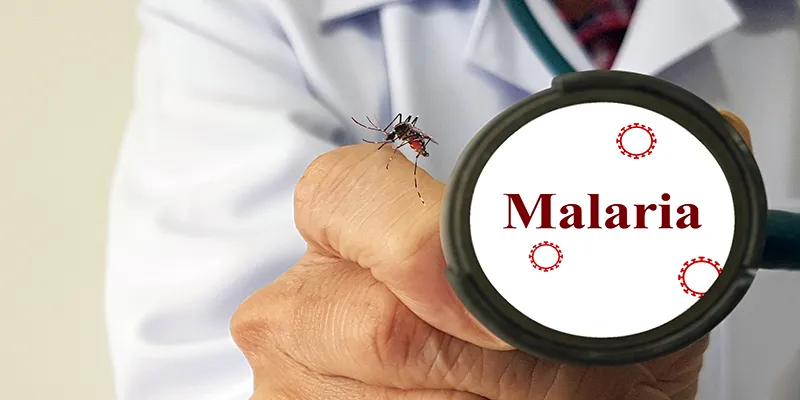
Malaria: Symptoms, Diagnosis, and Prevention
Every monsoon season, clinics across India see a familiar pattern. Patients walk in with a high fever, body aches, and chills, convinced they have a seasonal flu or just blame the weather change. By the time they seek medical treatment, the infection might get worse and even lead to a life-threatening condition. Malaria remains one of India's most common public health problems. It affects people of all ages, especially during and after the monsoon months. Therefore, you should be aware of the common malaria symptoms to get the timely and quick recovery.
In this guide, we will cover what malaria really is, how to recognise its early warning signs, and what steps you can take to protect yourself and your family.
What is Malaria?
Malaria is an infectious disease caused by the Plasmodium parasite. It spreads to humans when an infected female Anopheles mosquito bites a person. Once it enters your body, the parasite travels to the liver, matures, and then reaches your bloodstream. Then it will start attacking and destroying red blood cells.
There are five parasite species that cause malaria in humans. Among them, P. falciparum is the most dangerous and most common in India. On the other hand, P.vivax can lie dormant in the liver and cause relapses months or even years after the initial infection.
What are the Causes of Malaria?
Malaria does not spread like a cold or flu. The infection doesn’t spread when you touch or sit next to an infected person. Here’s how the infection spreads:
- Stagnant Water and Poor Sanitation: Stagnant water is the breeding spot for mosquitoes. When you leave the bucket of water left outside or a clogged drain unnoticed for a long time can increase the chances of infection.
- Travel to High-Risk Regions: Malaria is common in Africa, Southeast Asia, and certain Indian states. Travelling to these places without taking any precautions puts you at a higher risk.
- Blood Transfusion or Shared Needles: Malarial parasite can pass from one person to another through infected blood or shared needles.
- Mother to Child (Congenital Malaria): A pregnant woman with malaria can sometimes pass the parasite to her baby during delivery. Newborns with this condition suffer from low birth weight and anaemia.
What Are the Common Symptoms of Malaria?
The symptoms of malaria fever usually show up 10 to 15 days after the mosquito bite. Here's what you should watch out for:
- High Fever: Your body temperature can increase suddenly to 104°F (40°C) or more. You will feel extremely unwell within hours.
- Chills and Shivering: You may feel intensely cold and shake uncontrollably, even while your temperature is high.
- Profuse Sweating: Once the fever breaks, the body sweats a lot as it tries to cool down.
- Severe Headache: A persistent, pounding headache. It doesn't respond well to usual painkillers.
- Muscle Aches: Your whole body feels heavy and painful. You will find it extremely difficult and almost impossible to do the simple tasks.
- Nausea and Vomiting: Stomach discomfort is common and can be mistaken for food poisoning.
- Anaemia: As the parasite destroys red blood cells, prolonged infection can cause fatigue, paleness, and breathlessness.
Symptoms of malaria fever follow a cyclical pattern. Depending on the type of parasite, fever episodes can happen every 48 to 72 hours. It has three stages: the cold stage (chills), the hot stage (fever), and the sweating stage (relief). If you notice this cycle repeating, see a doctor immediately.
How is Malaria Diagnosed?
Do not self-diagnose if you notice the symptoms of malaria fever. Your doctor will choose the most appropriate test based on your symptoms and travel history.
|
Diagnostic Method |
How it Works |
What It Detects |
|
Blood Smear Test |
Examining the small sample of blood under a microscope |
Identifies the parasite and its species |
|
Rapid Diagnostic Test (RDT) |
A finger-prick blood test with quick results (15–30 mins) |
Detects malaria antigens in the blood |
|
PCR Test |
A laboratory-based molecular test |
For high-accuracy results (especially when other tests are inconclusive) |
How Do Doctors Treat Malaria?
When left untreated, severe malaria fever can progress to organ failure, severe anaemia, or coma. Therefore, you need to complete the full course of treatment, even if you start feeling better.
The healthcare professional decides the treatment for malaria fever based on the parasite species, the severity of infection, the patient's age and overall health. Based on the diagnosis, your doctor may prescribe:
- Chloroquine
- Artemisinin-based combination therapies (ACTs)
- Primaquine.
- Quinine
- Doxycycline (supportive treatment)
Who is Most at Risk of Malaria?
Malaria can affect anyone. But it is more likely to affect the following populations:
- Young children: Children under five have weaker immunity.
- Pregnant women: Malaria during pregnancy leads to low birth weight or premature delivery.
- People with low immunity: Individuals diagnosed with other illnesses or on long-term medications may find it harder to fight off the malarial infection.
If you or someone in your family falls into any of these categories, stay extra careful during and after the monsoon season.
When Should You See a Doctor?
Early treatment can prevent complications and save lives. Consult a healthcare professional if you notice:
- High fever with chills for more than 24 to 48 hours
- Severe vomiting that stops you from taking the medication
- Breathing difficulty
- Seizures
- Jaundice (yellowish skin) or dark-coloured urine
How to Prevent Malaria?
Malaria is largely preventable with some basic practical steps, such as:
- Use Mosquito Nets: Sleep under insecticide-treated mosquito nets. It is important if you live in a high-risk area.
- Apply Repellents: Apply DEET-based repellents on your skin after sunset to protect yourself from mosquitoes.
- Cover Up: Choose to wear long-sleeved clothing and full trousers when stepping out from your home.
- Remove Stagnant Water: Empty the water from coolers, flowerpots, buckets, and any containers around your home.
- Install Mesh Screens: Install wire mesh on windows and doors to keep mosquitoes from entering your home.
Get The Right Treatment For Malaria at Apollo Clinic!
Malaria is a serious condition, yet it is preventable with proper precautions. Learn to recognise the malaria symptoms from common flu to get a timely diagnosis and treatment. Make sure to follow the prescribed treatment to ensure a quick and complete recovery. Also, if you are living in a high-risk area or planning to travel to one, make sure to take the right measures to protect yourself.
Experiencing recurring fever, chills, or fatigue? Schedule your appointment with specialists at Apollo Clinic today!
FAQs
1. How long does malaria last?
Most people recover from malaria within 3-5 days after a timely treatment.
2. Does mosquito repellent alone prevent malaria?
No. Repellent helps, but works best with some other habits. Use mosquito nets, clear stagnant water, and wear full-sleeved clothing to prevent malaria.
3. Can malaria come back after treatment?
Yes. P. vivax can stay dormant in the liver even after treatment. It can relapse months or even years later.
4. Is malaria contagious between people?
No. Malaria does not spread through touch, breath, or contact. It usually spreads through mosquito bites and infected blood.
5. What foods should you eat when recovering from malaria?
Focus on easy-to-digest foods. You can eat Khichdi, dal, soups, and fresh fruits like bananas and papayas.