04069063398
 Clinic Locator
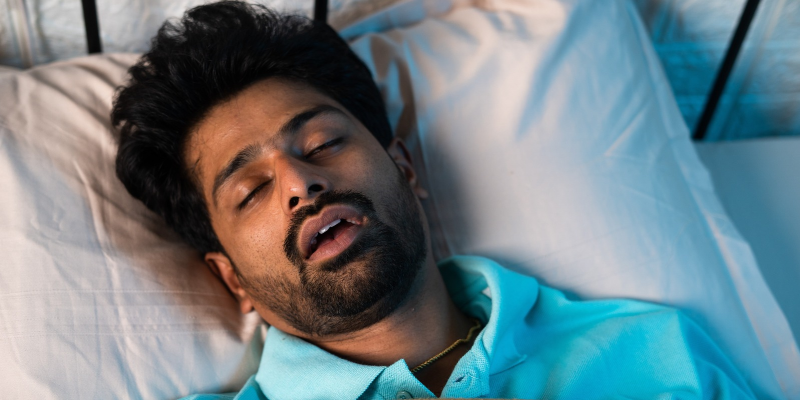
Sleep Apnea Explained: Symptoms, Causes, Risks and Treatment Options
Sleep apnea is a sleep-related breathing disorder in which breathing repeatedly stops or becomes reduced during sleep. As these interruptions happen at night, many people may not realise they have the condition until a partner notices loud snoring, breathing pauses or sudden gasping. Others may first notice tiredness, morning headaches or difficulty concentrating. Recognising the possible signs of sleep apnea can help people seek timely assessment. To help you better understand this condition and know when to seek medical advice, this article explains its symptoms, causes, types, risks and treatment options.
What is Sleep Apnea?
Sleep apnea, or sleep apnea syndrome, is a medical condition in which normal breathing is repeatedly interrupted during sleep. Episodes may involve complete pauses in airflow or periods when breathing becomes unusually shallow. Blood oxygen levels may fall, prompting the brain to briefly wake the body enough to restart breathing.
Although often unnoticed, repeated interruptions can reduce restorative sleep and contribute to daytime symptoms.
Occasional snoring is not the same as sleep apnea. Snoring may occur when air passes through relaxed throat tissues, while sleep apnea involves repeated disturbances in breathing that may require medical assessment.
What are the Symptoms of Sleep Apnea?
The symptoms of sleep apnea can occur during the night and during waking hours. Often, another person notices the night-time signs first.
Symptoms that Occur During Sleep
Common signs include:
- Loud or persistent snoring
- Pauses in breathing noticed by another person
- Gasping, choking or snorting during sleep
- Restless or interrupted sleep
- Waking with a dry mouth
- Frequent urination at night
Snoring alone does not confirm sleep apnea, but snoring with breathing pauses or choking episodes should not be ignored.
Symptoms You May Notice During the Day
Possible symptoms include:
- Excessive sleepiness or fatigue
- Morning headaches
- Difficulty concentrating
- Irritability or mood changes
- Memory problems
- Feeling unrefreshed despite enough time in bed
Symptoms vary between individuals, and some people may have fewer obvious warning signs.
What Causes Sleep Apnea and What Are the Different Types?
The exact cause of sleep apnea depends on the type. There are three main types of sleep apnea, each involving a different mechanism.
1. Obstructive Sleep Apnea
Obstructive sleep apnea, or obstructive sleep apnea syndrome, is the most common type. It occurs when the upper airway repeatedly narrows or closes during sleep even though the body continues trying to breathe. Factors such as relaxed throat muscles, enlarged tonsils, certain jaw or airway structures and excess tissue around the neck can make this narrowing more likely.
2. Central Sleep Apnea
Central sleep apnea, or central sleep apnea syndrome, develops when the brain temporarily does not send the appropriate signals to the muscles that control breathing. Unlike obstructive sleep apnea, the problem is not caused by a blocked airway. Certain neurological or heart-related conditions and some medicines may be associated with this form.
3. Complex Sleep Apnea
Complex sleep apnea involves features of both obstructive and central sleep apnea. In some cases, central breathing events become apparent after treatment for obstructive sleep apnea begins, which may be referred to as treatment-emergent central sleep apnea.
Not every risk factor directly causes sleep apnea. In some people, several anatomical, lifestyle or medical factors may combine to increase the likelihood of developing the condition.
Who is More Likely to Develop Sleep Apnea?
Certain factors can increase the likelihood of developing sleep apnea:
- Excess body weight
- A larger neck circumference
- A naturally narrow airway or certain facial and jaw structures
- Enlarged tonsils or adenoids
- Increasing age
- A family history of sleep apnea
- Smoking
- Alcohol or sedative use
- Certain cardiovascular, neurological or endocrine conditions
However, sleep apnea can also occur in people who are young, physically active or not overweight.
Can Sleep Apnea Affect Your Overall Health?
Repeated breathing interruptions can affect more than sleep quality. Untreated or poorly controlled sleep apnea may be associated with:
- Persistent daytime fatigue and reduced concentration
- High blood pressure
- Cardiovascular disease
- Abnormal heart rhythms
- Metabolic problems, including type 2 diabetes
- Mood and cognitive difficulties
- Greater accident risk due to daytime sleepiness
Individual risk varies depending on severity, overall health and other medical conditions.
How is Sleep Apnea Diagnosed?
Diagnosis usually begins with a review of symptoms, sleep habits and medical history. A doctor may also ask whether a partner has noticed snoring, breathing pauses or gasping during sleep.
Assessment may include:
- A physical examination
- Sleep-related screening questionnaires
- An overnight sleep study, or polysomnography
- Home sleep apnea testing for suitable patients
- Measurements of airflow, breathing effort, oxygen levels and respiratory events
Depending on the symptoms and findings, further evaluation may be carried out by a Pulmonologist, sleep specialist or another appropriate clinician.
How is Sleep Apnea Treated?
Treatment depends on the type and severity of apnea, the underlying cause and overall health. A doctor may recommend one or more approaches.
1. Lifestyle and Sleep-Related Changes
These may include:
- Weight management where appropriate
- Regular physical activity
- Avoiding excessive alcohol
- Reviewing sedative medicines with a doctor
- Smoking cessation
- Changing sleep position
- Maintaining a regular sleep routine
2. CPAP and Other Positive Airway Pressure Therapy
Continuous positive airway pressure, or CPAP, delivers air through a mask to help keep the upper airway open. Other forms of positive airway pressure may be considered when clinically appropriate.
3. Oral Appliances
Oral appliances may help selected patients by repositioning the lower jaw or tongue to keep the airway more open during sleep. They should be fitted and monitored under professional guidance.
4. Surgery and Other Treatment Options
Surgery may be considered when structural problems contribute to airway obstruction or other treatments are unsuitable. Options can include tonsil or adenoid procedures, selected upper-airway surgery and jaw-related procedures in specific cases.
There is no single way to cure sleep apnea because treatment depends on the type, severity and underlying cause. Some people may improve significantly when contributing factors are addressed, while others may need ongoing treatment to keep the condition under control.
How Can You Breathe Better While Sleeping?
If you are wondering how to breathe while sleeping more comfortably, the right approach depends on what is causing the breathing difficulty. For people with sleep apnea, simple measures may help in some cases, but they should not replace medical assessment or prescribed treatment.
Helpful steps may include:
- Sleeping on your side if advised
- Managing nasal congestion appropriately
- Avoiding alcohol close to bedtime
- Using prescribed CPAP or oral appliances consistently
- Maintaining regular sleep timings
Breathing exercises or changes in sleeping position should not replace prescribed treatment when sleep apnea has been diagnosed.
Know When to Seek Medical Advice for Sleep Apnea
Sleep apnea can affect both sleep quality and overall well-being, making persistent symptoms important to recognise and assess. If you or someone you know regularly experiences loud snoring, repeated gasping or choking during sleep, or unexplained daytime sleepiness, consider seeking medical advice. At Apollo Clinic, you can consult a Pulmonologist or General Medicine doctor or another appropriate specialist for evaluation of suspected sleep apnea. The doctor may review your symptoms, medical history and sleep patterns and recommend further assessment where required. Diagnostic tests can help determine whether sleep apnea is present and guide the appropriate treatment plan. With both specialist consultations and diagnostic services available across the Apollo Clinic network, you can seek coordinated evaluation and care.
Visit yournearest Apollo Clinic for a consultation, or browse theFind a Doctor directory to look for a suitable specialist. For further assistance, you can also contact Apollo Clinic or connect with the team on WhatsApp.
Frequently Asked Questions
Q.1 Can sleep apnea be cured?
Cure is possible in some cases, particularly when an underlying cause can be effectively treated or removed. However, not every form of sleep apnea can be completely cured, and some people may require long-term management. The outcome depends on the type, severity and underlying cause.
Q.2 What is the main cause of sleep apnea?
There is no single cause of sleep apnea. Obstructive sleep apnea usually involves narrowing or blockage of the upper airway, while central sleep apnea results from disrupted signalling between the brain and breathing muscles.
Q.3 Can I live a long life with sleep apnea?
Many people manage sleep apnea effectively with appropriate treatment and follow-up. Long-term health depends on severity, other medical factors and how consistently treatment is followed.
Q.4 Can you have sleep apnea even if you do not snore?
Yes. Snoring is common in obstructive sleep apnea, but not everyone with the condition snores noticeably. Daytime sleepiness, morning headaches or witnessed breathing pauses may still occur.
Q.5 Is there a connection between sleep apnea and GERD or acid reflux?
Sleep apnea and GERD (acid reflux) can occur together, and night-time reflux may further disturb sleep. However, one condition does not necessarily directly cause the other.
Q.6 Can sleep apnea affect driving or work performance?
Yes. Daytime sleepiness, slower reaction times and poor concentration can affect driving, work and tasks requiring sustained attention.
Q.7 Does sleep apnea get worse with age?
The likelihood of obstructive sleep apnea may increase with age due to changes in airway muscle tone, body composition and other health factors, although it can occur at any age.
Q.8 Which doctor should I consult if I think I have sleep apnea?
For suspected sleep apnea, you may consult a General Medicine doctor, Pulmonologist, or another appropriate clinician, depending on your symptoms and healthcare needs. At Apollo Clinic, consultation and diagnostic services are available to support evaluation and further care, where needed.